



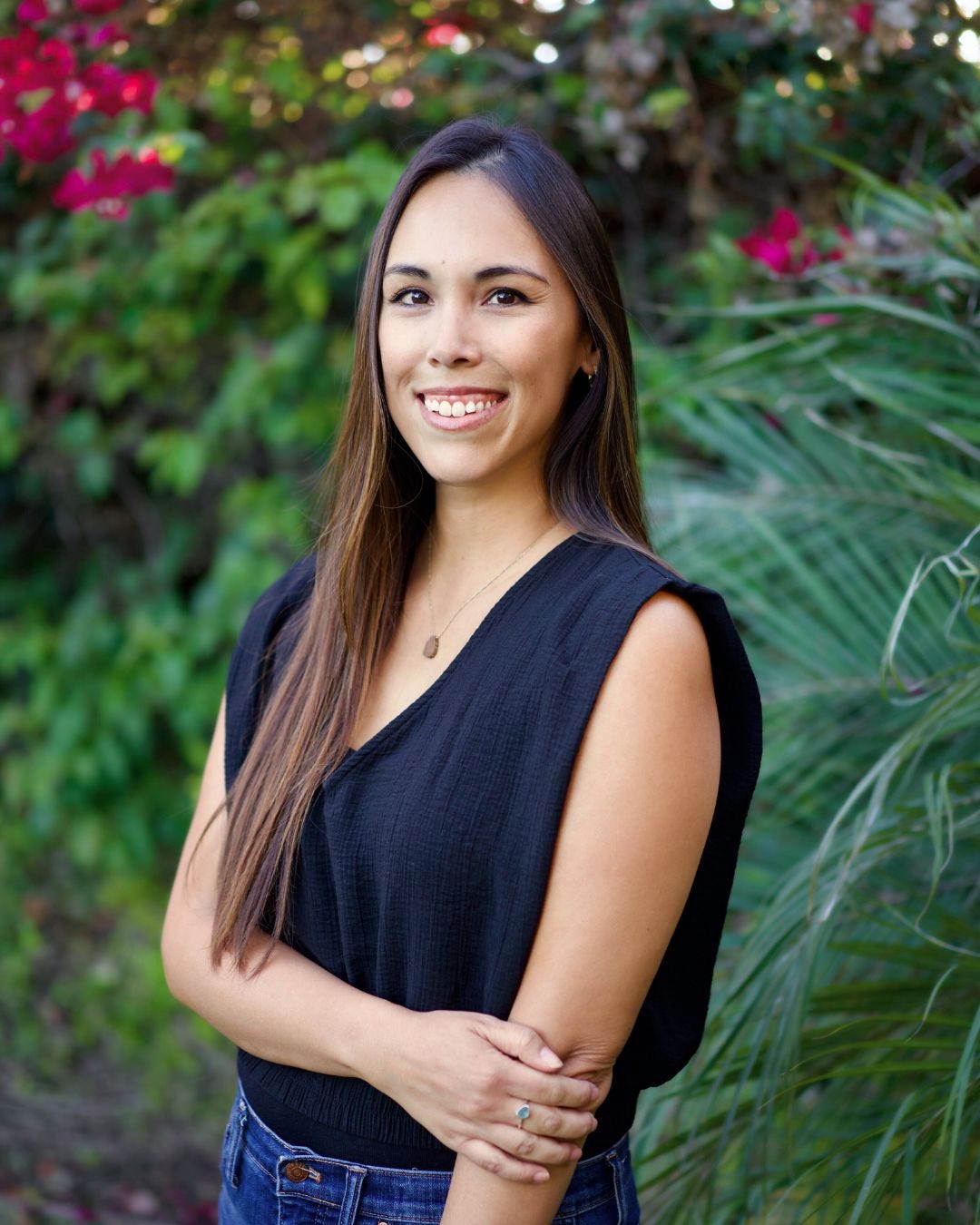
Last week on The Healing Shelf, I featured Allison Mei-Li’s gorgeous debut poetry collection A History of Holding. The book moved me so much that I wanted to learn more about her writing process and emotions as she wrote. Allison has been so kind to share her insights and thoughts with us!
The Afterwords:
S: Allison, thank you so much for sharing your process and thoughts with us about your gorgeous poems. To start, for people just joining us or who are new to your work, can you provide a brief overview of your book and the aspects of grieving/healing that come up within it?
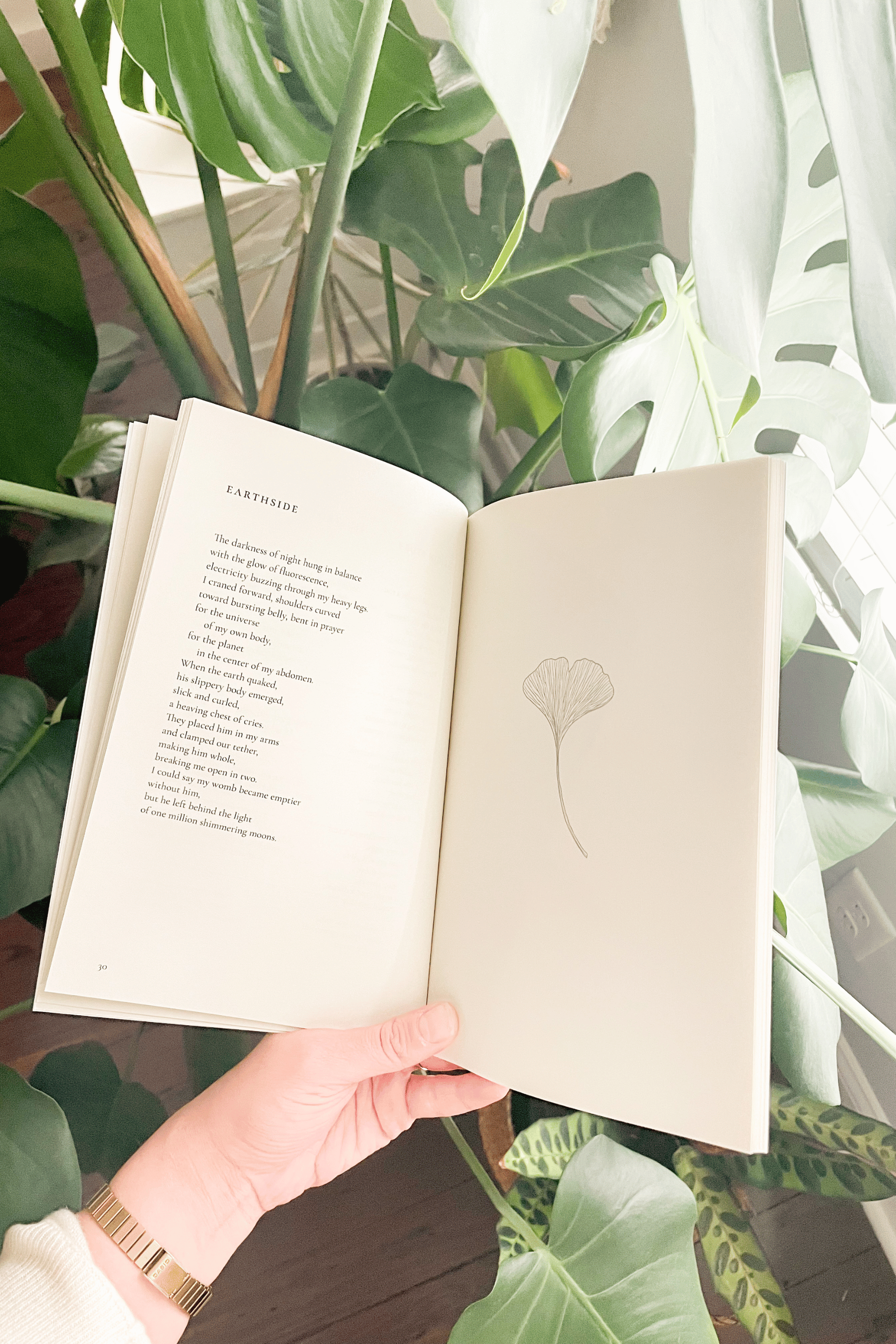
Allison: A History of Holding is my debut collection on the beautiful and brutal work of motherhood—how it reshapes the body, rewires the mind, and cracks the heart open. Through intentional sequencing, the poems move in and out of emotion, forward and backward in time, offering a reading experience that mirrors motherhood itself: nonlinear and tender.
Grief and healing are inherently braided throughout my motherhood journey. Some of that grief is universal: the disorientation and loneliness of early motherhood, the ache of watching your child grow beyond you, the quiet losses tucked inside every milestone. Some of it is deeply personal: infertility, medical trauma, postpartum anxiety, and raising a baby in isolation during the pandemic.
Across the collection, these poems trace the slow healing that happens when you begin reclaiming pieces of yourself, when you forge your own village, when you finally learn to trust your own knowing. At its heart, the book is a meditation on becoming—how love reshapes us, undoes us, and ultimately helps us stitch ourselves back together.
S: Your book truly is a meditation on becoming, and I love that image of stitching ourselves together. Often, when we’re writing, we find ourselves stitching pieces of the books we love into our books. What book inspired you as you wrote, and how did it inspire you?
Allison: I read Ephemera by Sierra DeMulder during the time I wrote A History of Holding. DeMulder is one of my favorite poets, and her work deeply influenced how I think about emotional pacing and craft. She really takes readers on an emotional journey. Her word choices are very deliberate, yet somehow still conversational. Ephemera is not a motherhood collection, but DeMulder does touch on infertility and pregnancy loss in her book.
S: I’m not familiar with DeMulder, so I’m excited to check out her book. Back to A History of Holding, what section flowed the easiest? Which was the most challenging to bring into its current form? Why?
Allison: The first section—rooted in the present moment and focused on the push and pull of raising a child in this world—was by far the easiest to write. Those emotions sit right at the surface, and I’m living them every day. The poems about the early days of postpartum were the most challenging; not because the subject matter felt too difficult, but because I wanted to be very intentional about how I invited the reader into those memories. I used the idea of a “hermit crab essay” for some of these pieces, using recurring search histories as a structural container—a relatable form that could hold difficult material. The google searches allowed me to orient the reader directly inside my mental space while offering intimate details in a way that felt both authentic and digestible.
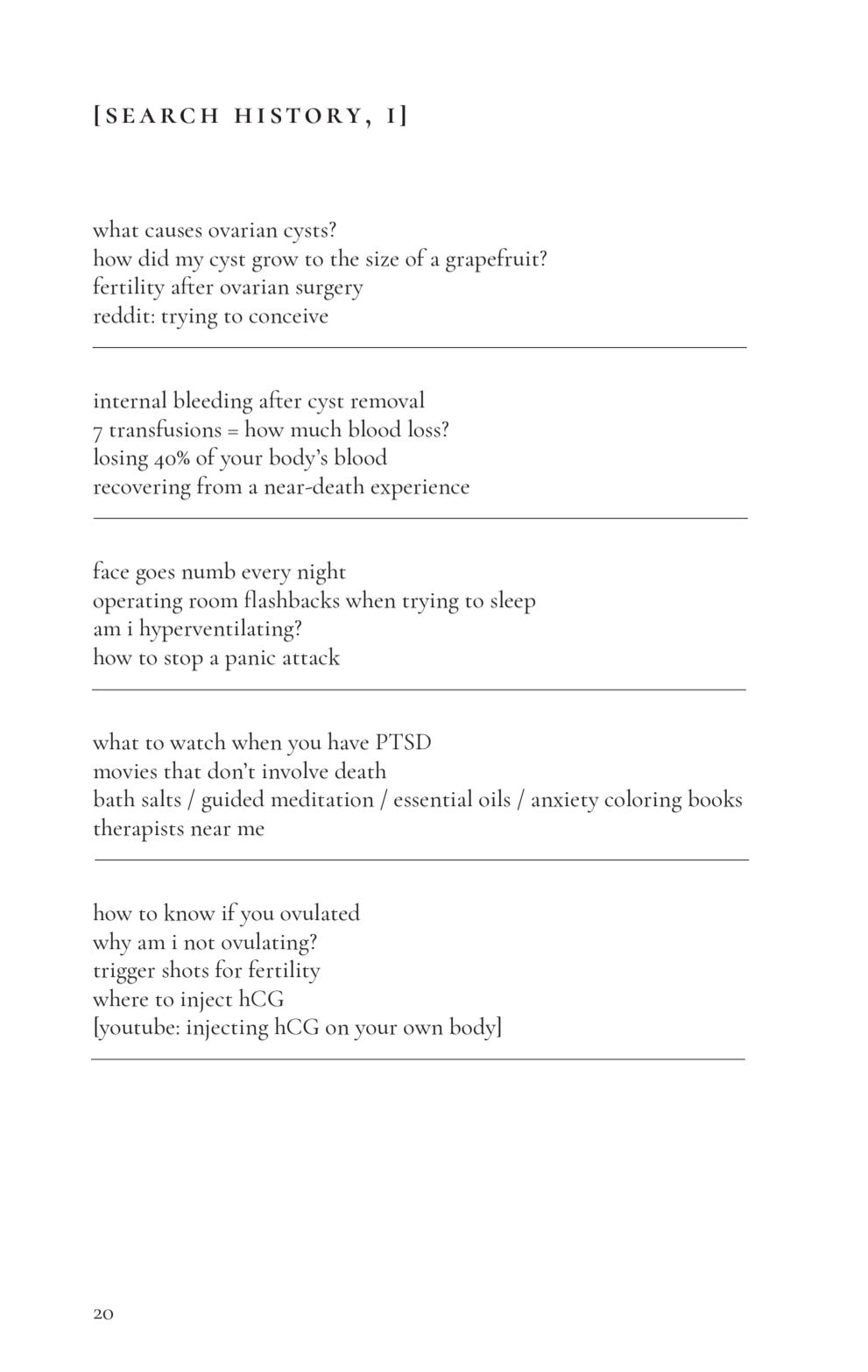
S: Your Search History series is among my favorites in the book because it felt so refreshing and new for exploring the complex emotions the section covered. Though I’m sure these “hermit crab poems” were an aha moment, I was wondering which section/poem/line of your book was your “aha moment” in your grief/healing journey while writing?
Allison: For a long time, I thought I needed to write the book in a way that was universally applicable to every mother. I wasn’t sure how much of my own story belonged on the page, so in early drafts I made only small, careful allusions to the grief and medical trauma I’d experienced.
After finishing the first draft, I shared it with my mentor, Kelly Grace Thomas. She pointed out that I was toeing the line—and that I needed to make a choice: either go all in on my personal story, or pull it back entirely. (She strongly encouraged me to go all in.)
I also talked with a few writer friends who are mothers, sharing more of the details of my experience. While not all of them had lived through the same things I had, every one of them said some version of: but I do know this feeling—this pain, this grief.
That was the aha moment. I realized that naming my own grief could help others feel seen in theirs, even when our stories looked very different.
S: You’re so right about that. Even though our stories are ours, the emotions, and to some extent, the details, reach our readers because we had the courage to share the details of our personal stories. Leaning into this idea of your readers, if readers could only take away one thing from your book, what do you hope they carry with them?
Allison: I hope readers leave with the sense that their lived experience matters, even when it’s messy or unnamed. That what they carry—emotionally, physically, quietly—is worthy of attention and care.
S: Readers absolutely carry that message with them after reading your book; I certainly did. Outside of writing your book, how have you stewarded grief/healing work?
Allison: Writing the book was one meaningful part of my own grief work, but healing doesn’t end when the last poem is revised. Outside the page, I’ve learned to care for myself through rest, therapy, community, and paying attention to what my body needs. Becoming a mother during a time of medical trauma and isolation forced me to slow down and rebuild trust with myself, and that practice continues every day.
At the same time, this book has opened up conversations with other mothers who carry their own stories of grief. I don’t position myself as an expert or healer, but I try to hold space—through readings, workshops, and my Substack—for people to feel seen, to name their experiences, and to find connection. In that way, the healing becomes communal. I tend to my own heart, and in doing so, I hope I make room for others to tend to theirs.
S: You’ve certainly been opening spaces for others to connect with you, and to close out this “Afterwords,” would you mind sharing exactly where can readers buy your book and connect with you?
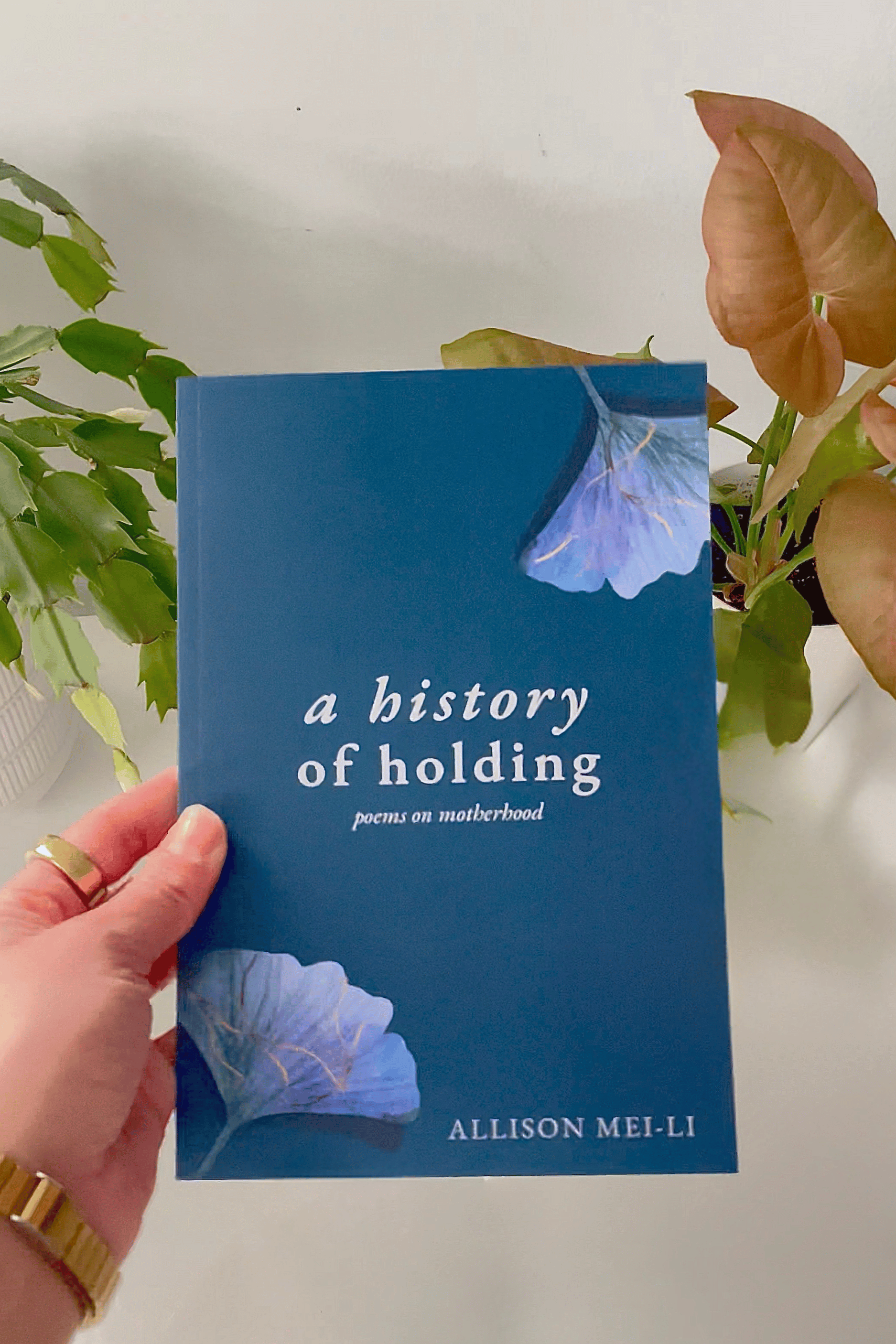
Allison: Readers can find signed copies and links to online retailers here: writtenbyallison.com/book
I’d also love to connect on IG @writtenbyallison or via Substack: writtenbyallison.substack.com
What questions do you have for Allison? Feel free to ask them in the comments or reach out to her directly!
Lovely ! Am glad I found this article!
❤️❤️❤️